

Why Perimeter Blast-Resistant Barriers Matter
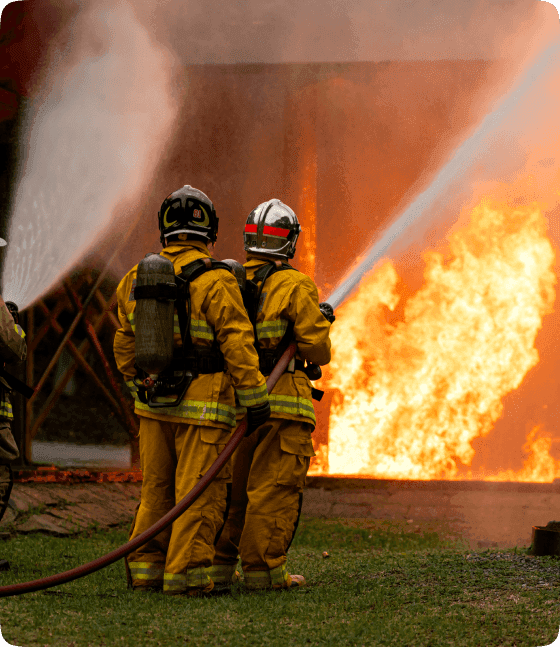
Perimeters are high-risk zones, open boundaries where blast pressure, shockwaves, fragmentation, and hydrocarbon explosions can propagate rapidly. Conventional walls or fencing often fail due to structural overload, material fracture, or collapse under sudden high-pressure impact. Hence, robust perimeter blast containment is not optional; it's essential for safety, continuity, and compliance. Our certified fire and blast protection systems are engineered to perform under extreme conditions, ensuring compliance, structural integrity, and life safety.
What is a Perimeter Blast Resistant Barrier
A SECURA perimeter blast-resistant barrier is a high-integrity, multilayer composite structure engineered to protect facility boundaries during hydrocarbon fire and explosion events.

Hydrocarbon Fire Resistance
Designed for HC fire curves and prolonged hydrocarbon burn exposure.

Blast Overpressure Protection
Maintains structural integrity against high-pressure explosion waves.

Thermal Shock Stability
Withstands rapid temperature spikes and intense radiant heat loads.

Impact & Debris Resistance
Holds space under post-blast or post-fire mechanical and fragment loads.

Smoke & Gas Containment
Keeps adjacent zones and evacuation routes isolated and safe.

How the System Protects Your Perimeter
Invicta ANARA’s three divisions function as a unified engineering ecosystem combining R&D, certified manufacturing, technical design, installation expertise, and global compliance. Together, they deliver end-to-end perimeter barrier solutions that absorb, contain, and reinforce critical hydrocarbon facilities against explosive and thermal threats.
Barriers absorb and redirect blast waves from hydrocarbon explosions, preventing wall collapse and reducing overpressure loads on personnel and equipment.
Reinforced panels arrest high-velocity fragments and debris, preventing secondary casualties and equipment damage while maintaining a defined containment zone post-blast.
Panel assemblies withstand sustained hydrocarbon pool and jet fires, maintain structural integrity under extreme thermal loads, and limit fire spread.
Barriers retain their load-bearing performance under repeated blast conditions, with engineered connections that prevent progressive collapse and ensure continued perimeter protection.
Modular panels install into existing layouts without major civil works, enabling fast deployment across greenfield and brownfield hydrocarbon sites.
Performance & Technical Specifications
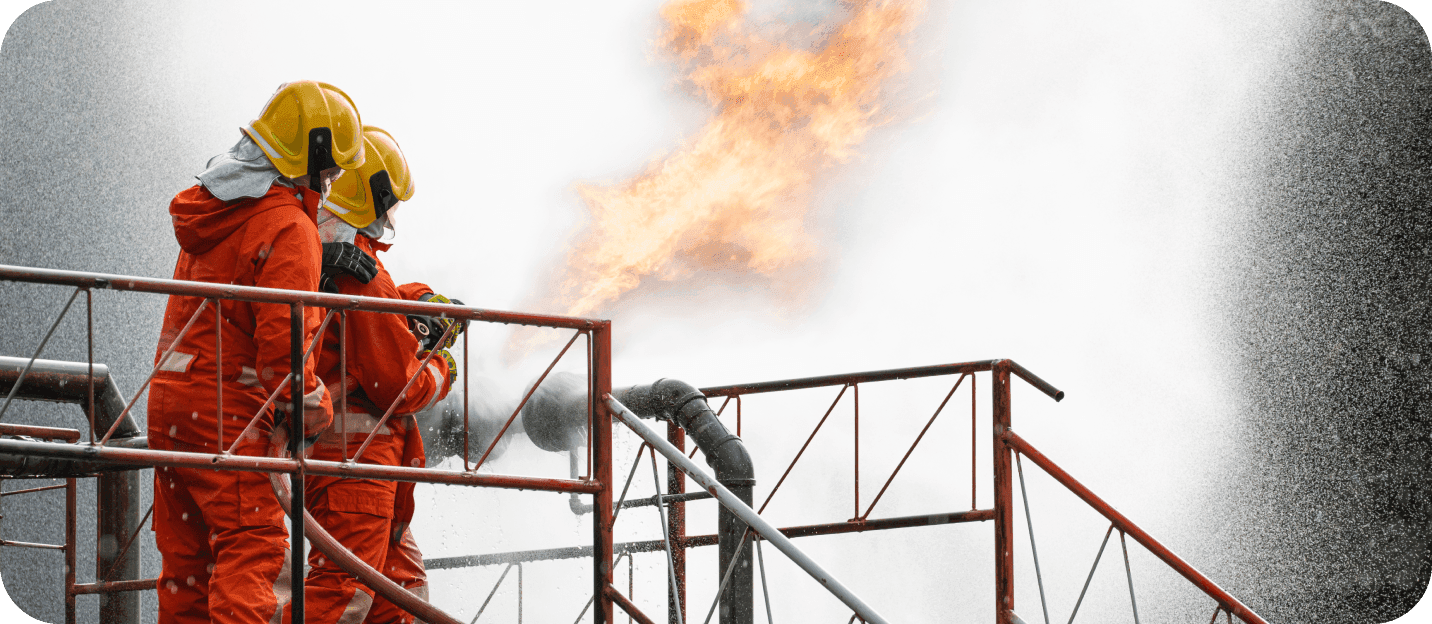
Fire & Thermal Protection
EI 120–240 min fire resistance (standard & high-heat variants).
Compatible with HC, RWS, and tunnel fire curves.
Prevents concrete spalling and protects steel reinforcement under extreme heat.

Smoke & Gas Containment
Fully sealed system blocks smoke, toxic gases, and hot fire-gases.
Enables safer evacuation and rescue paths.
No hazardous post-event debris or collapse.
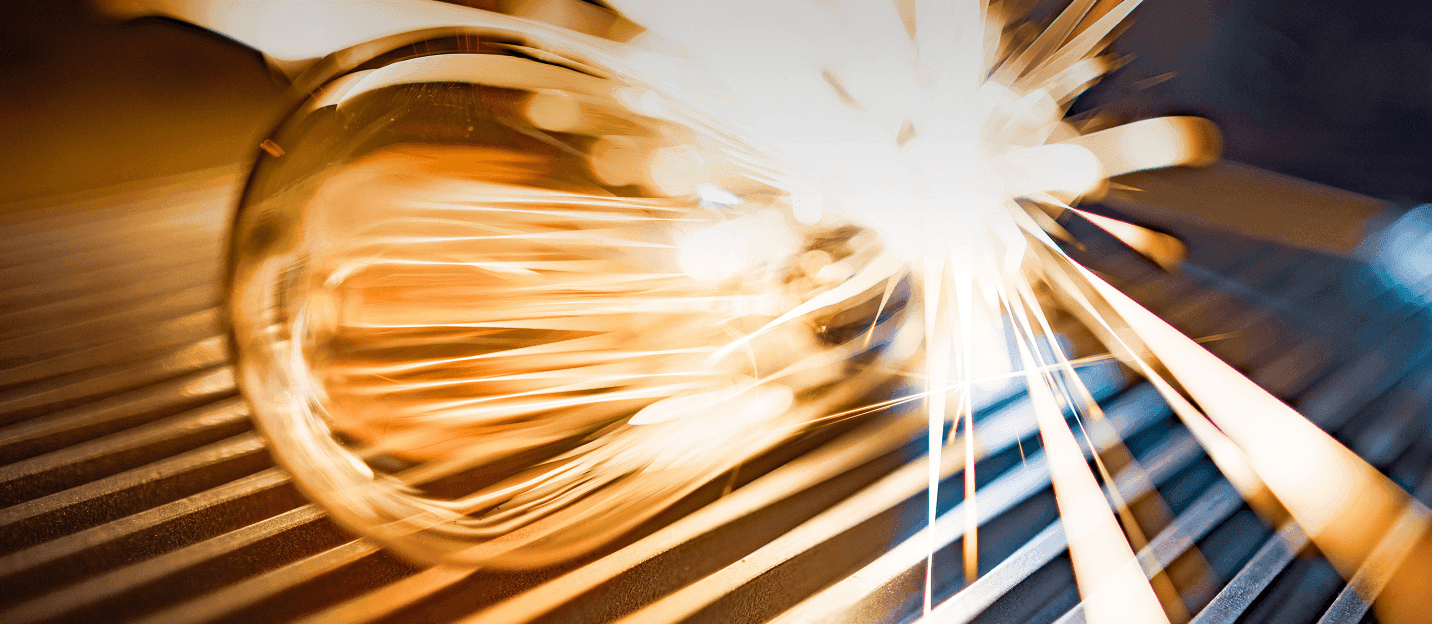
Blast & Impact Resistance
Engineered to withstand high overpressure events.
Maintains structural integrity after combined fire + blast scenarios.
No hazardous post-event debris or collapse.
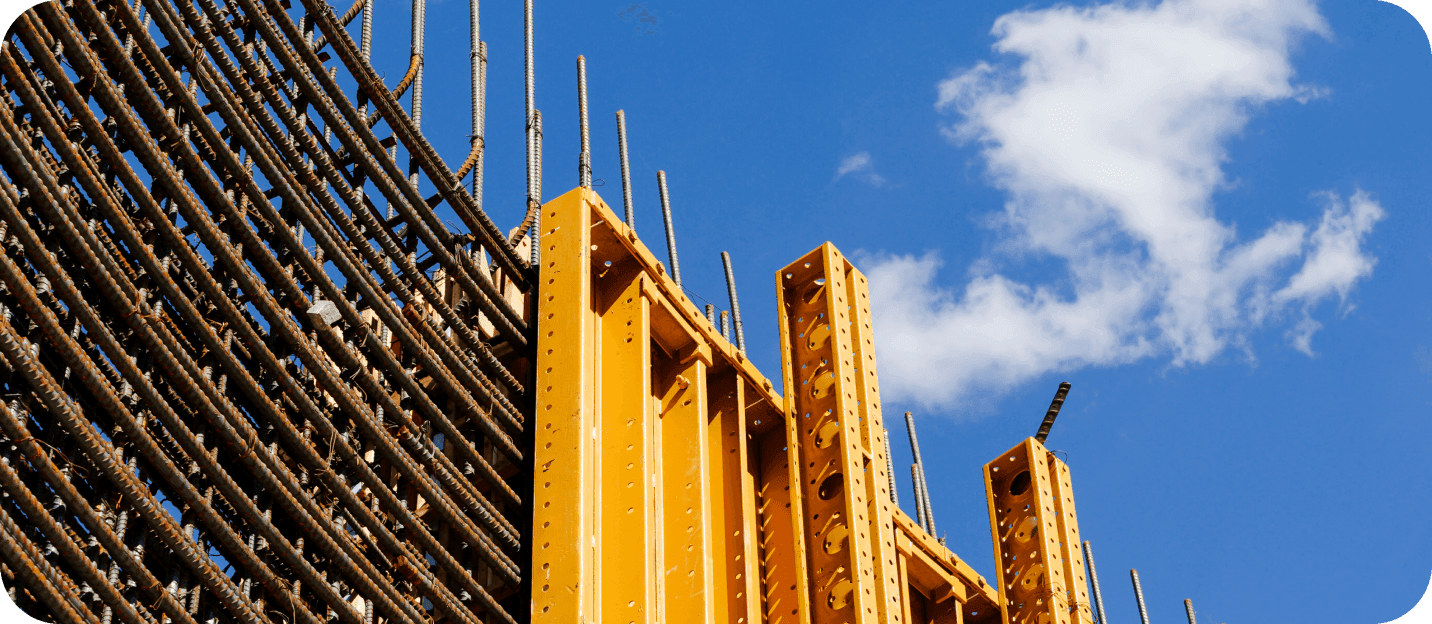
Materials & Construction
Non-combustible, moisture- and corrosion-resistant composite system.
Lightweight vs concrete; fast installation and easier maintenance.
Modular panels fit new builds, retrofits, and complex tunnel geometries.
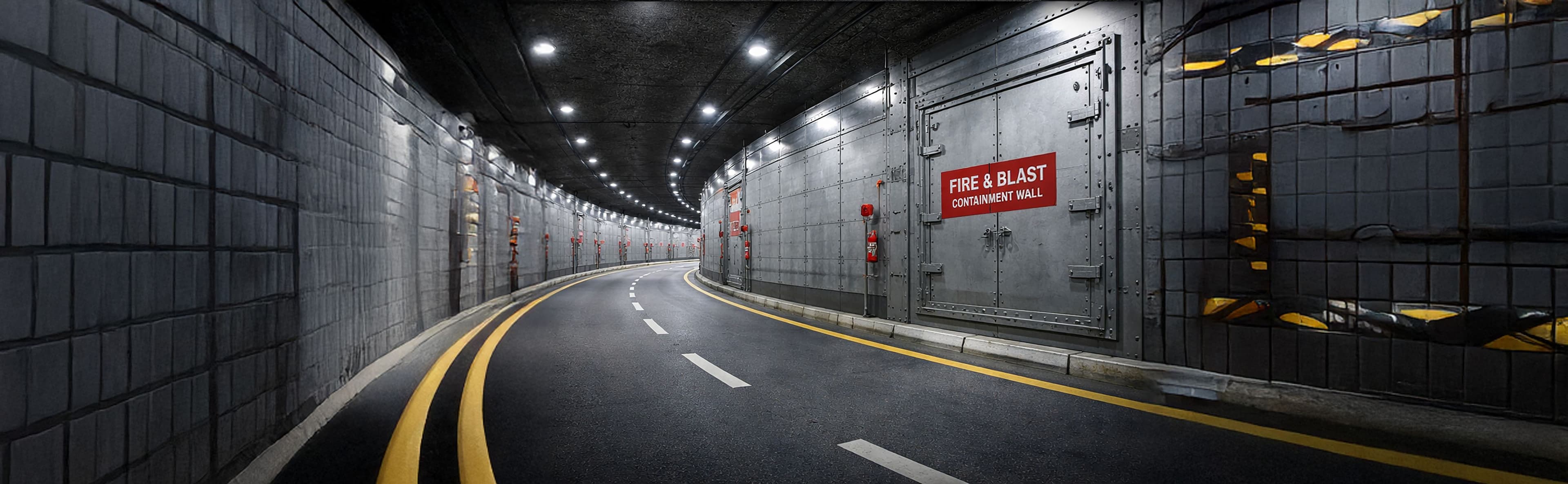
Advantages Over ConventionalTunnel Protection Methods
Traditional Methods
Concrete or plain-lining risk of spalling, reinforcement failure, structural collapse under fire/heat.
Spray-applied fireproofing / fire boards / mortars may require frequent maintenance, have limited durability, may degrade upon moisture or impact
Passive fire barriers only (fire partitions, boards) limited or no blast, impact, debris, or smoke/gas protection.
Heavy & bulky steel/concrete barriers are difficult, high-cost and have long downtime for retrofit/repair.
SECURA Tunnel Wall Benefits
The composite barrier prevents spalling, maintains integrity, protects reinforcement & structure under extreme fire or blast.
Durable, moisture-resistant, corrosion-proof composite system — long lifecycle, low maintenance, high resilience.
Multi-hazard protection (fire, blast, impact, smoke/gas, thermal, acoustic), enabling comprehensive risk mitigation.
Lightweight modular panels — faster installation, retrofit friendly, minimal disruption to tunnel operations.
Sectors We Serve
Our solutions are designed for sectors where infrastructure reliability, safety, and long-term performance are critical.
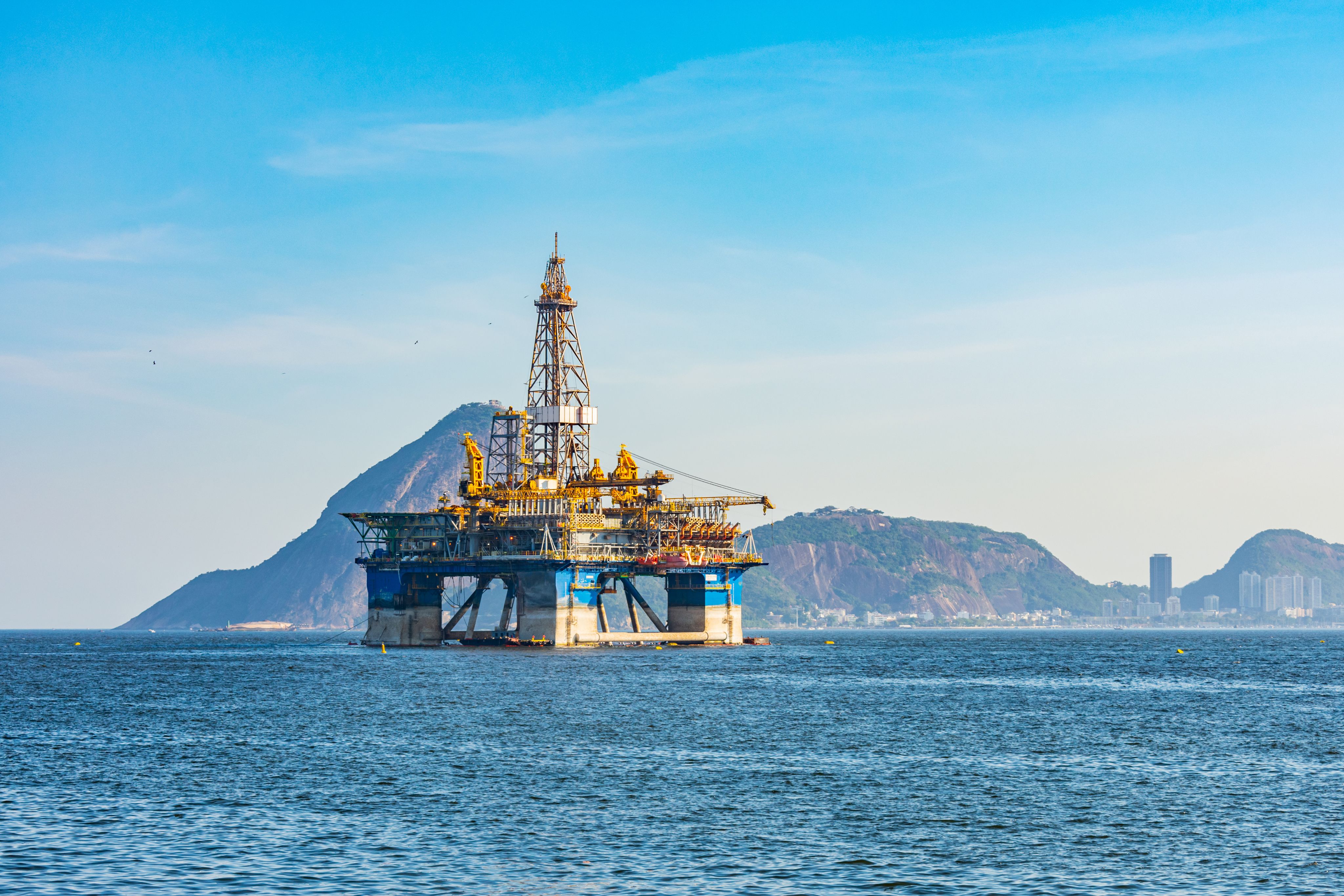
Energy & Utilities

Energy & Utilities
- Power & Grid Infrastructure
- Energy & Process Facilities
- Onshore & Offshore Assets
- Renewable Energy Infrastructure
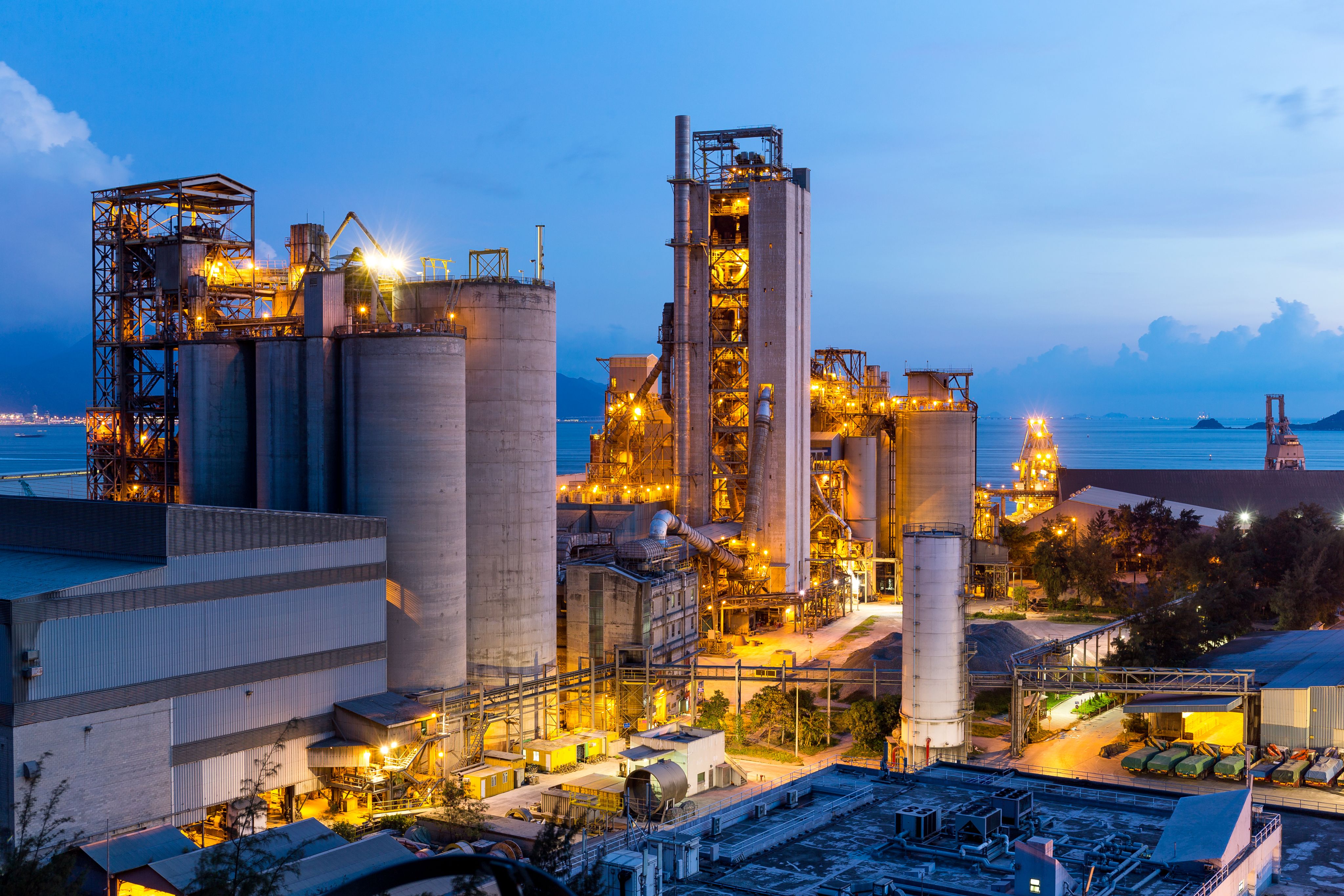
Industrial
Industrial
- Chemical & Process Plants
- Manufacturing & Heavy Industry
- Hazardous Material storage facilities
- Automotive & Industrial Campuses

Transportation
Transportation
- Airports & Aviation Facilities
- Metro, Rail & Mass Transit Systems
- Roads, Highways & Vehicular Tunnels
- Ports, Shipyards & Marine Transport Infrastructure
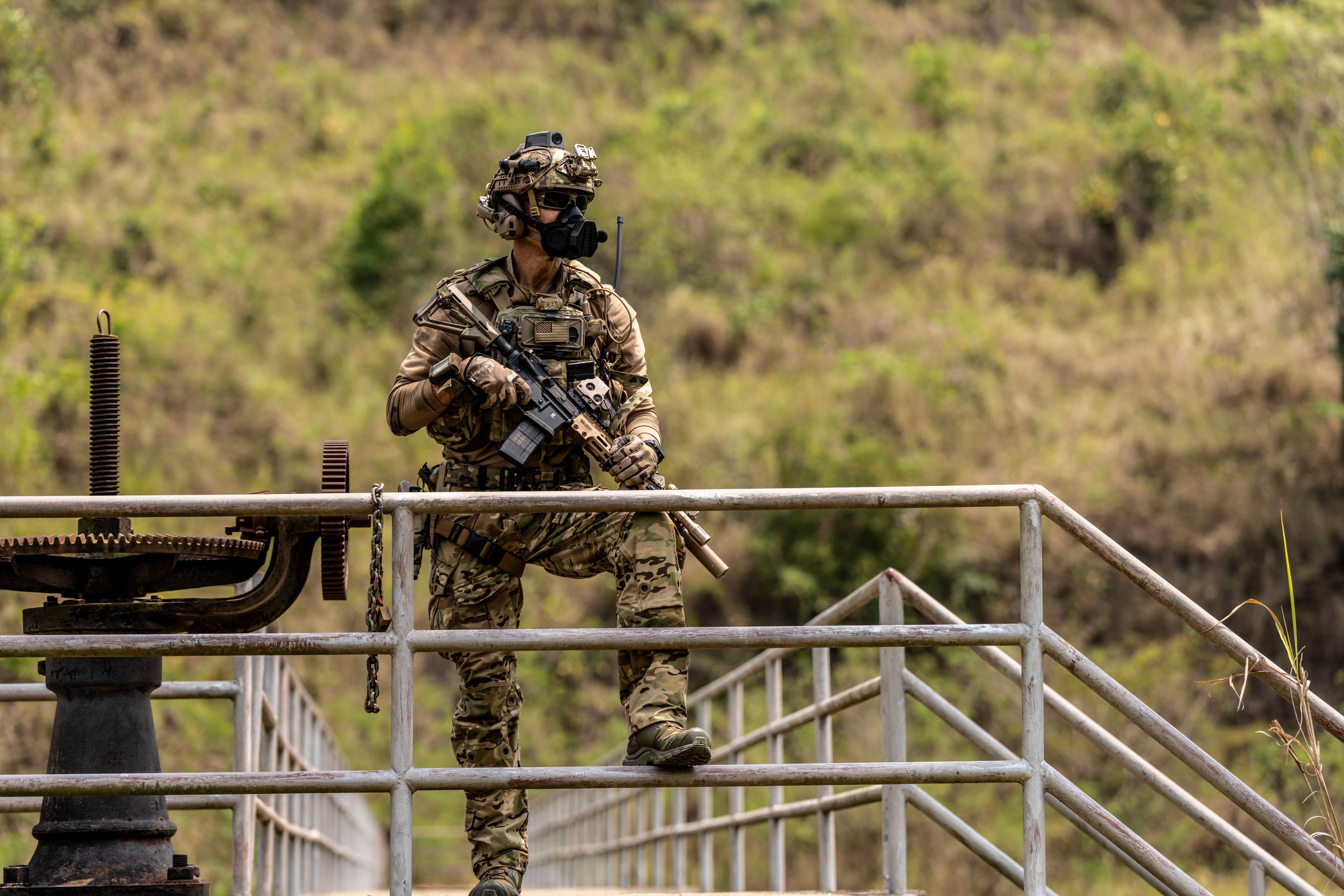
Defence
Defence
- Defence & Command Facilities
- Critical National Infrastructure (CNI)
- Secure & Hardened Assets
- Border, Coastal & Strategic Installations

Infrastructure
Infrastructure
- Data Centres & Digital Infrastructure
- Public Venues & Stadia
- Cultural & Institutional Buildings
- Government & Diplomatic Facilities

Commercial/Mixed-Use
Commercial/Mixed-Use
- Hospitality & Leisure
- Financial & Commercial Buildings
- Mixed-Use Landmark Developments